
UK Road Signs Quiz: Free Visual Practice
Take this UK road signs quiz to practise recognising common British traffic signs. Answer ten original, illustrated questions, check each explanation and learn the difference between signs that give orders, warn of danger or provide information. Use the current Highway Code to confirm any rule before driving.
Independent DiuMitra revision for England, Scotland and Wales. Not an official DVSA examination or substitute for the current Highway Code.
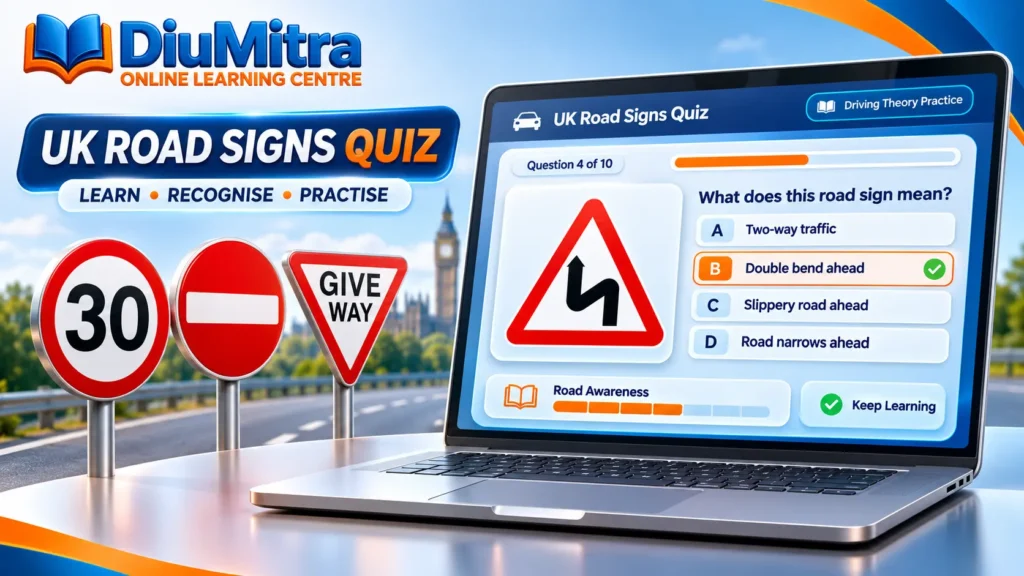
Start the Free UK Road Signs Quiz
Begin with ten illustrated road-sign questions. Select the meaning you think is correct, read the explanation, then move to the next sign. Your answers stay in this browser session; the short practice does not ask for an account.
What does this sign mean?
If the quiz does not load, please use the official Highway Code traffic signs guide or explore the DiuMitra visual sign library below.
How to Read UK Road Signs
The UK signing system groups signs by the job they do: giving orders, warning of hazards or supplying information. Understanding the basic shapes makes it easier to interpret unfamiliar signs.
Circles give orders
Red rings usually indicate a restriction or prohibition. Blue circles generally give a positive instruction, such as going ahead only or using a specified route.
Triangles warn
Red-bordered triangular signs generally alert you to hazards such as traffic signals, bends or junctions. Look at the symbol and respond to conditions safely.
Rectangles inform
Rectangular signs commonly give information or directions. Colours can also matter: motorway directions use blue signs, and primary routes use green.
More Road Signs, Signals and Markings
After the ten-question starter, explore the DiuMitra visual sign library and any available topic assessment. The independent starter above remains usable even when the extended reference collection is unavailable.
Road Signs, Signals & Markings
Learn from governed Highway Code visual assets, then use visual self-check and the full topic assessment.
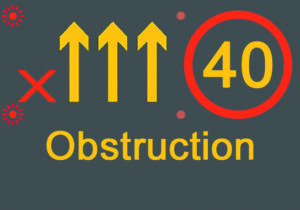
Leave motorway at next exit
Governed local copy
Open related Highway Code reference
Signals to other road users
Governed local copy
Open related Highway Code reference





Complete official reference
The Highway Code
England, Scotland and Wales · governed DiuMitra reference copy
Light signals controlling traffic
Traffic light signals


Flashing red lights

At level crossings, lifting bridges, airfields, fire stations, etc.
Motorway signals
These signals are also used on other high-speed roads.


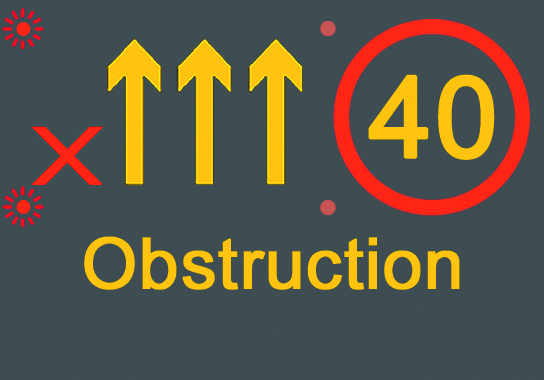


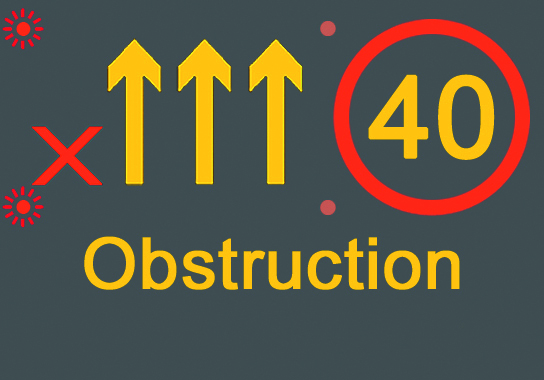
Lane control signals

Green arrow - lane available to traffic facing the sign
Red crosses - lane closed to traffic facing the sign
White diagonal arrow - change lanes in direction shown
Road signs topic test
Road and traffic signs — Topic Practice
If the extended sign collection is unavailable, continue with the official Highway Code traffic signs reference while the learning catalogue is updated.
Road Signs People Commonly Confuse
Several signs can appear similar at first glance. In the quiz, read the shape, colour, symbol and any words or plates rather than guessing from one feature.
No waiting vs no stopping
The red diagonal line through a blue circle means no waiting; a red X means no stopping. Check nearby plates and road markings for the full restriction.
Ahead only vs one way
A white upward arrow inside a blue circle gives an ahead-only instruction. The arrow inside a blue rectangle indicates one-way traffic.
No entry vs give way
No Entry restricts vehicular entry. Give Way means approaching traffic on the major road has priority; you may need to stop before proceeding.
How to Practise Road Signs Effectively
Try a short focused session, understand mistakes immediately and return to official sources. DiuMitra’s starter activity does not grade your readiness for the real driving theory test.
Look at the whole sign
Notice whether the sign is circular, triangular or rectangular. Check the symbol, numbers and any additional text beneath it.
Choose the best meaning
Select one answer without looking it up first. The activity shows an explanation and identifies the correct answer after you choose.
Review and repeat
Use the Highway Code when uncertain, especially for restrictions and exceptions. Repeat the quiz to check whether the explanations make sense.
UK Road Sign Categories at a Glance
Signs work together with road markings, signals and supplementary plates. This overview helps you decide which official section to study next.
| Type of sign | What it generally tells you | Typical examples |
|---|---|---|
| Regulatory / order signs | What you must do, or what you must not do | STOP, Give Way, No Entry, maximum speed, Ahead Only |
| Warning signs | Hazards or road conditions to anticipate | Traffic signals ahead, bends, junctions |
| Direction and information signs | Routes, destinations, road layout or facilities | One-way traffic, direction boards, motorway information |
| Supplementary plates | Extra details that qualify a main sign | Times, distances, vehicle restrictions |
| Road markings and signals | Additional instructions or information on the road | Stop lines, lane arrows, traffic lights |
Official UK Road Signs and Revision Resources
This quiz uses original schematic sign drawings and independently written explanations based on published traffic-sign guidance. Signs, restrictions and test arrangements can change, so the official guidance remains the source for current requirements.
For learner drivers
Build visual recognition alongside the wider road rules, observations and safe decision-making needed for the GB car theory test. Traffic signs are one topic within the overall assessment.
Continue with Driving Theory Practice Tests and Driving Theory Study Course lessons.
For road users refreshing their knowledge
Use the quiz to recognise sign meanings, then check official explanations. Never assume an image alone gives every detail of a road restriction; signs may be paired with plates, road markings or location-specific arrangements.
Northern Ireland has its own official arrangements and some differences. Follow the relevant local authority guidance.
UK Road Signs Quiz FAQs
Clear answers about signs, free practice, official study material and how DiuMitra’s activities differ from a real driving theory examination.
Recognise the Sign. Understand the Rule.
Start the free visual road signs quiz, check unfamiliar signs against official guidance and continue with Driving Theory Practice Tests when you are ready. Consistent revision matters more than memorising one set of answers.
DiuMitra provides independent learning resources only. This quiz is not an official DVSA examination, and it does not guarantee a theory test pass.